Location
Dry Eye Syndrome
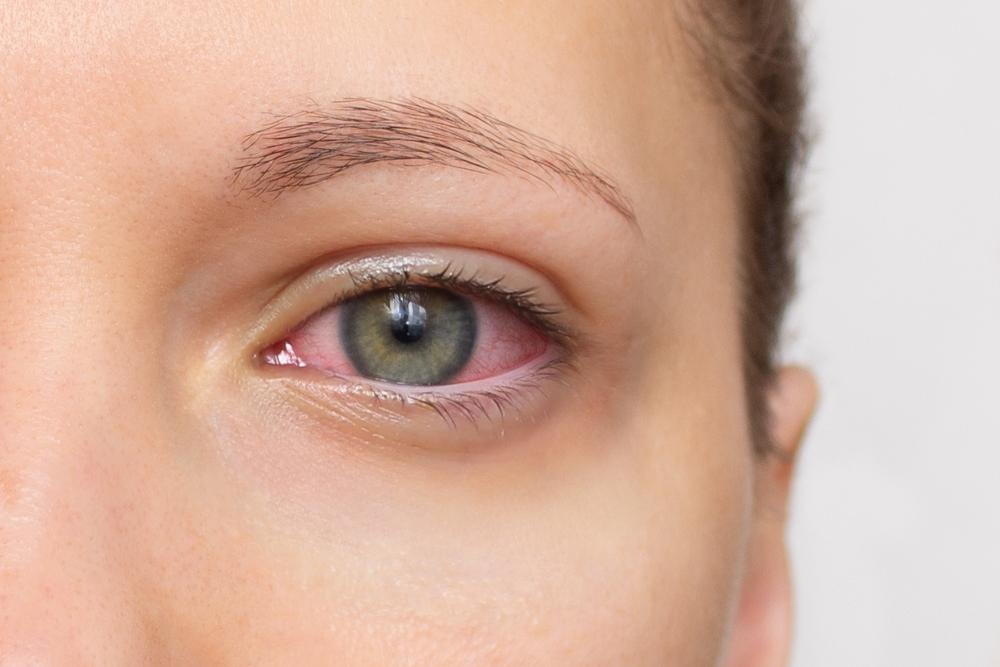
Dry Eye Syndrome: Understanding Causes, Symptoms, and Treatment from an Optometrist Near You in Corpus Christi, TX
Dry eye syndrome is a common condition affecting people of many ages. It occurs when the eyes do not produce enough tears or when tears evaporate too quickly, leading to discomfort, irritation, and sometimes blurred vision. At Vision Boutique, your optometrist in Corpus Christi, TX, we understand how this condition can affect daily life, and we are here to help you find relief. Here’s an overview of dry eye syndrome, its causes, symptoms, and the treatment options available.
What Causes Dry Eye Syndrome?
1. Aging and Hormonal Changes
As we age, tear production tends to decrease, making dry eyes more common in older adults. Hormonal changes, particularly in postmenopausal women, can also reduce tear production, leading to dry eye symptoms.
2. Environmental Factors
External factors such as wind, dry air, smoke, and prolonged exposure to screens can contribute to tear evaporation. Individuals who spend considerable time in air-conditioned or heated environments may also experience increased dryness.
3. Medications and Health Conditions
Certain medications, such as antihistamines, antidepressants, and blood pressure medications, can contribute to dry eyes. Health conditions like diabetes, rheumatoid arthritis, and thyroid disorders can also reduce tear production or disrupt tear composition.
4. Contact Lenses
Contact lens wearers are at a higher risk for dry eye due to the reduced oxygen supply to the cornea, especially if the lenses are worn for extended periods.
Recognizing the Symptoms of Dry Eye
Dry eye presents with a range of symptoms, which may include:
• Persistent dryness or a scratchy, gritty feeling in the eyes
• Redness or a burning sensation
• Sensitivity to light
• Blurred or fluctuating vision, especially after prolonged reading or screen use
• Watery eyes, as the body sometimes compensates by producing more tears
If you experience any of these symptoms regularly, it may be time to consult an optometrist at Vision Boutique to evaluate your eye health.
Treatment Options for Dry Eye Syndrome
Here are a few options for dry eye treatment:
1. Artificial Tears and Eye Drops
Over-the-counter artificial tears or lubricating eye drops provide temporary relief by supplementing natural tear production. For those needing more frequent use, preservative-free options are often recommended to avoid irritation.
2. Prescription Medications
For moderate to severe cases, prescription eye drops such as cyclosporine may be advised to help reduce inflammation and promote tear production. Oral medications can also be prescribed in certain cases to address underlying causes.
3. Lifestyle Adjustments
Simple changes can often help reduce dry eye symptoms. Using a humidifier in dry indoor environments, reducing screen time, and practicing the 20-20-20 rule (taking a 20-second break every 20 minutes to look at something 20 feet away) can lessen strain and dryness.
Get Optometry Care and Dry Eye Treatment from an Optometrist Near You for Dry Eye Syndrome
If dry eye symptoms are affecting your comfort or vision, Vision Boutique, your optometrist in Corpus Christi, TX, is here to help. Our team can provide a comprehensive evaluation, discuss potential causes, and develop a treatment plan to help restore moisture and relief. Don’t let dry eyes impact your quality of life—schedule an appointment with us today to find relief. Call us at (361) 854-1460 for optometry care and dry eye treatment from an optometrist near you for dry eye syndrome.
Dry Eye Syndrome: Understanding Causes, Symptoms, and Treatment from an Optometrist Near You in Corpus Christi, TX
Dry eye syndrome is a common condition affecting people of many ages. It occurs when the eyes do not produce enough tears or when tears evaporate too quickly, leading to discomfort, irritation, and sometimes blurred vision. At Vision Boutique, your optometrist in Corpus Christi, TX, we understand how this condition can affect daily life, and we are here to help you find relief. Here’s an overview of dry eye syndrome, its causes, symptoms, and the treatment options available.
What Causes Dry Eye Syndrome?
1. Aging and Hormonal Changes
As we age, tear production tends to decrease, making dry eyes more common in older adults. Hormonal changes, particularly in postmenopausal women, can also reduce tear production, leading to dry eye symptoms.
2. Environmental Factors
External factors such as wind, dry air, smoke, and prolonged exposure to screens can contribute to tear evaporation. Individuals who spend considerable time in air-conditioned or heated environments may also experience increased dryness.
3. Medications and Health Conditions
Certain medications, such as antihistamines, antidepressants, and blood pressure medications, can contribute to dry eyes. Health conditions like diabetes, rheumatoid arthritis, and thyroid disorders can also reduce tear production or disrupt tear composition.
4. Contact Lenses
Contact lens wearers are at a higher risk for dry eye due to the reduced oxygen supply to the cornea, especially if the lenses are worn for extended periods.
Recognizing the Symptoms of Dry Eye
Dry eye presents with a range of symptoms, which may include:
• Persistent dryness or a scratchy, gritty feeling in the eyes
• Redness or a burning sensation
• Sensitivity to light
• Blurred or fluctuating vision, especially after prolonged reading or screen use
• Watery eyes, as the body sometimes compensates by producing more tears
If you experience any of these symptoms regularly, it may be time to consult an optometrist at Vision Boutique to evaluate your eye health.
Treatment Options for Dry Eye Syndrome
Here are a few options for dry eye treatment:
1. Artificial Tears and Eye Drops
Over-the-counter artificial tears or lubricating eye drops provide temporary relief by supplementing natural tear production. For those needing more frequent use, preservative-free options are often recommended to avoid irritation.
2. Prescription Medications
For moderate to severe cases, prescription eye drops such as cyclosporine may be advised to help reduce inflammation and promote tear production. Oral medications can also be prescribed in certain cases to address underlying causes.
3. Lifestyle Adjustments
Simple changes can often help reduce dry eye symptoms. Using a humidifier in dry indoor environments, reducing screen time, and practicing the 20-20-20 rule (taking a 20-second break every 20 minutes to look at something 20 feet away) can lessen strain and dryness.
Get Optometry Care and Dry Eye Treatment from an Optometrist Near You for Dry Eye Syndrome
If dry eye symptoms are affecting your comfort or vision, Vision Boutique, your optometrist in Corpus Christi, TX, is here to help. Our team can provide a comprehensive evaluation, discuss potential causes, and develop a treatment plan to help restore moisture and relief. Don’t let dry eyes impact your quality of life—schedule an appointment with us today to find relief. Call us at (361) 854-1460 for optometry care and dry eye treatment from an optometrist near you for dry eye syndrome.
Contact Us
Monday
9:00 am - 6:00 pm
Tuesday
9:00 am - 6:00 pm
Wednesday
9:00 am - 6:00 pm
Thursday
9:00 am - 6:00 pm
Friday
9:00 am - 6:00 pm
Saturday
9:00 am - 2:00 pm
Sunday
Closed
